
AI Phone Analytics: 12 Revenue-Driving Metrics for 2026

Building consumer products with Voice AI
The phone rings at 10:47 PM. A potential customer needs emergency plumbing service. Your AI phone answering system picks up instantly, qualifies the lead, schedules the appointment, and sends your on-call technician the details. By morning, you've captured $2,400 in revenue that would have gone to a competitor.
This scenario plays out thousands of times daily across businesses using AI phone answering. But here's what most people miss: the real power isn't just in answering calls. It's in the analytics that show you exactly how each conversation drives revenue.
I learned this the hard way running my food truck business. We tracked basic metrics like call volume and missed calls. But we had no idea which calls actually converted to orders, which questions cost us sales, or why certain times saw higher abandonment rates. We were flying blind.
Today's AI phone answering systems capture data that would have blown my mind back then. With 80% adoption rates, proven ROI of $3.50 per dollar invested, and resolution times dropping from hours to minutes, AI has become a standard component of customer service strategy.
But which metrics actually matter? After analyzing data from millions of AI-handled calls and speaking with hundreds of business owners, I've identified the 12 analytics that directly correlate with revenue growth.

Real-world performance data shows over $1.1M in phone order revenue generated through AI automation.
The Shift from Volume to Value Metrics
Traditional phone metrics told you what happened. Modern AI analytics tell you why it matters.
The most advanced organizations are no longer asking, "How many calls did we get?" They're asking: Did this conversation lead to a resolution, an appointment, or a sale? How did the customer feel about the interaction—and about our brand? Where are agents succeeding, and where do they need support? What emerging topics signal future demand or risk? These are outcome-based metrics, and they align directly with revenue, retention, and customer experience.
This fundamental shift changes everything about how you measure success. Let me walk you through the metrics that actually move the needle.
1. Instant Answer Rate: The Foundation of Revenue Capture
What it measures: The percentage of calls answered immediately, without hold time or voicemail.
Why it matters in 2026: Customers expect an instant response. Even a few seconds of delay can lead to call abandonment—especially in high-intent scenarios like legal intake, healthcare inquiries, or emergency support.
Best-in-class benchmark: 90–100% instant answer rate.
Think about it: when someone calls your business, they've already chosen the phone over email or chat. They need help now. When the average small business misses 62% of incoming calls, and 85% of those callers never try again, AI phone answering isn't just about technology adoption - it's about basic revenue capture.
What to track:
- Percentage of calls answered within 1 second
- Time-of-day variations in answer rates
- Comparison to industry benchmarks
Revenue impact: Every percentage point improvement in instant answer rate directly correlates to captured opportunities. A home services company improving from 40% to 95% instant answer rate typically sees 15-20% revenue growth within 90 days.
2. After-Hours Revenue Capture
What it measures: The percentage of calls answered and processed outside normal business hours.
Why it matters: In many industries, 40–60% of inbound calls occur after hours. This metric directly ties to revenue capture and client trust.
This was my biggest blind spot running the food truck. We'd come back Monday morning to voicemails from weekend catering inquiries, most already booked elsewhere.
What to track:
- Revenue generated from after-hours calls
- Conversion rate comparison (business hours vs after-hours)
- Types of requests coming in after hours
Revenue impact: One plumbing company told me it was losing $40K a month to after-hours calls that went to voicemail. With AI handling these calls, they're now booking emergency services at premium rates around the clock.
3. Lead Qualification Accuracy
What it measures: How accurately the AI qualifies callers based on predefined business criteria.
Why it matters: In 2026, AI call centers are not just answering calls—they are acting as frontline gatekeepers. Poor performance here creates downstream inefficiency and lost revenue.
Not all calls are created equal. Your AI should distinguish between tire kickers and serious buyers, routing high-value opportunities appropriately.
What to track:
- Accuracy of lead scoring
- False positive/negative rates
- Time saved by pre-qualification
Revenue impact: When your sales team only talks to qualified leads, close rates typically increase by 25-40%. One software company saw their demo booking rate jump from 12% to 34% after implementing AI qualification.
4. First Interaction Resolution (FIR)
What it measures: The percentage of customer issues resolved entirely during the initial interaction with the AI, without the need for a follow-up call or escalation to a human agent.
This metric separates good AI from great AI. Can your system actually solve problems, or does it just create more work?
What to track:
- Resolution rate by query type
- Reasons for escalation
- Customer satisfaction with AI resolutions
Revenue impact: AI chatbots can manage up to 80% of routine tasks and customer inquiries. Each resolved query saves 5-15 minutes of staff time while keeping customers happy.
5. Conversion Rate by Call Type
What it measures: The percentage of calls that result in a defined success outcome.
Why it matters: Volume without conversion is meaningless.
This is where AI analytics shine. Unlike human receptionists who might not track outcomes, AI systems can follow each call through to completion.
What to track:
- Appointment booking rates
- Quote request conversions
- Service upgrade acceptance
Revenue impact: Our data shows that 25.4% of callers request callbacks, 7.7% want to schedule appointments, and 6.9% are asking for quotes - all interactions that Kea AI handles efficiently, ensuring no opportunity is lost.
6. Conversation Quality Score
What it measures: A composite score evaluating clarity, tone, empathy, accuracy, and conversational flow. AI call centers are judged not only by speed, but by how human they sound.
Your AI represents your brand in every interaction. Poor conversation quality doesn't just lose individual sales, it damages your reputation.
What to track:
- Natural language understanding accuracy
- Appropriate response selection
- Customer sentiment during calls
Revenue impact: Businesses with high conversation quality scores see 30-40% better conversion rates and significantly higher customer lifetime value.
7. Intent Recognition Accuracy
What it measures: How accurately the AI identifies the caller's intent within the first few conversational turns.
Your AI needs to understand not just what customers say, but what they actually need. This goes beyond keyword matching to true comprehension.
What to track:
- Correct intent identification rate
- Multi-intent handling capability
- Disambiguation success rate
Revenue impact: When AI correctly identifies intent on the first try, average handle time drops by 40% and customer satisfaction increases by 25%.
8. Revenue Per Call
This is the metric that makes CFOs smile. It directly ties your AI phone system to bottom-line results.
What to track:
- Average transaction value by call type
- Upsell/cross-sell success rates
- Lifetime value of AI-acquired customers
Revenue impact: 300% first-year ROI achieved through 25% increase in bookings. Sarah's Salon case study demonstrates how AI receptionists capture previously missed opportunities. The system answers calls after hours, during busy periods, and handles multiple inquiries simultaneously. Many businesses recover monthly costs by scheduling just one additional appointment. Revenue increases compound cost savings for exceptional total return on investment.
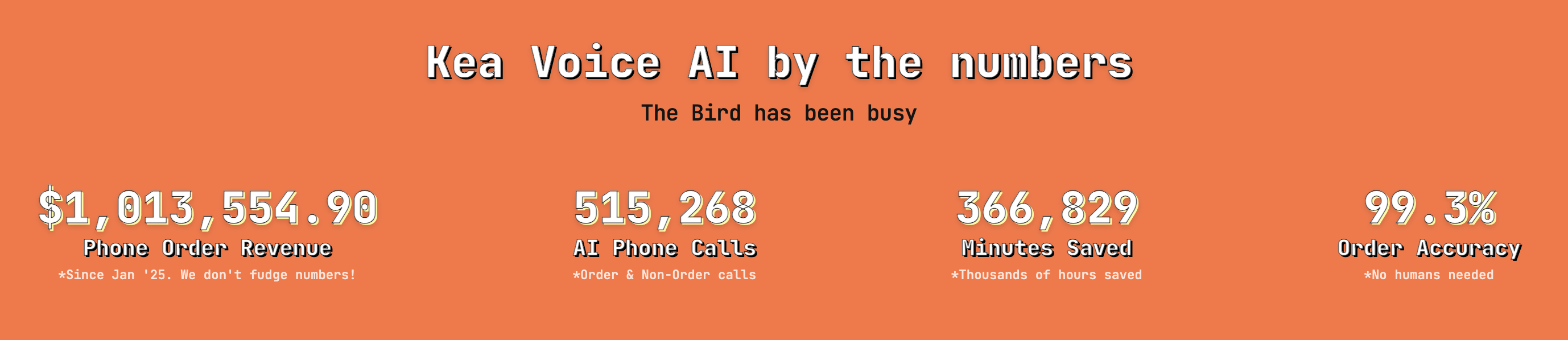
Over 515,000 AI-handled calls demonstrate the scale and accuracy achievable with modern voice AI systems.
9. Escalation Precision
What it measures: How accurately the AI escalates calls that truly require human involvement.
Why it matters: Escalating too often defeats the purpose of AI. Escalating too rarely frustrates callers.
Healthy benchmark: 10–25% escalation rate (industry dependent).
Smart escalation is an art. Your AI should handle everything it can while seamlessly transferring complex or high-value situations to humans.
What to track:
- Escalation rate by call type
- Customer satisfaction post-escalation
- Context retention during handoffs
Revenue impact: Proper escalation ensures high-value opportunities get expert human attention while routine queries stay automated, optimizing both cost and revenue.
10. Speed to Outcome
What it measures: Average resolution time drops to 2 minutes from 11 minutes. But speed alone isn't the goal, it's speed to the right outcome.
What to track:
- Time to appointment booking
- Quote delivery speed
- Issue resolution time
Revenue impact: Bank of America's Erica resolves 98% of queries within 44 seconds. Across industries, AI has reduced first response times from over 6 hours to less than 4 minutes, and resolution times from 32 hours to 32 minutes - an 87% improvement.
11. Customer Lifetime Value Impact
This long-term metric shows how AI phone interactions affect overall customer relationships.
What to track:
- Retention rates for AI-served customers
- Repeat purchase frequency
- Net Promoter Score differences
Revenue impact: Insurers using intelligent voice agents report 37% boosts in customer satisfaction and 43% higher Net Promoter Scores. These aren't vanity metrics - they directly correlate with retention. When a policyholder calls about a claims status at 10 PM and gets an immediate, informed response instead of a voicemail, their perception of your agency shifts. When a new prospect reaches a knowledgeable voice instantly rather than listening to hold music for five minutes, they're more likely to quote with you. Agencies deploying voice agents see 27% better customer retention and 39% faster resolution times.
12. Cost Per Successful Outcome
The ultimate efficiency metric combines all factors into a single number: what does it cost to achieve each positive result?
What to track:
- Cost per appointment booked
- Cost per qualified lead
- Cost per resolved issue
Revenue impact: Companies see average returns of $3.50 for every $1 invested in AI customer service ... AI agents cost $0.25-$0.50 per interaction compared to $3.00-$6.00 for human agents - representing an 85-90% cost reduction.
Implementing Your Analytics Framework
Having these metrics is only valuable if you actually use them. Here's how to build an analytics framework that drives results:
Start with Baseline Measurement
Before you can improve, you need to know where you stand. How many calls does your agency receive daily? What percentage go unanswered? Where does agent time get lost to routine inquiries? What's the cost of a missed new business call? Document these baseline metrics.
Set Specific Goals
What would success look like for your agency? 30% reduction in answered calls? 50% improvement in new business response time? Earlier claims processing? Clearer metrics make implementation and ROI measurement easier.
Create Real-Time Dashboards
Real-time dashboards give managers instant visibility into all essential call center KPIs, enabling proactive management rather than reactive firefighting. Your team should see performance as it happens, not in weekly reports.
Connect Analytics to Action
When AI-driven conversation insights feed more accurate outcome signals back into marketing systems, the impact can be immediate and measurable. Organizations can optimize bidding strategies around real intent—appointments booked, qualified leads generated, issues resolved—rather than surface-level activity. The result isn't necessarily higher spend. It's wiser spend, often delivering significant gains without increasing budgets.
The Hidden Power of Predictive Analytics
Modern AI doesn't just report what happened, it predicts what will happen. Machine learning algorithms can predict call volume spikes, identify agents who might need coaching, and even suggest optimal break scheduling to maintain performance throughout shifts.
This predictive capability transforms reactive businesses into proactive ones. When you know a surge is coming, you can prepare. When you spot trending issues, you can address them before they explode.
Real-World Success Stories
Let me share what happens when businesses get these analytics right:
Legal Services: Law firms calculate 1,775% ROI from AI receptionist implementation shows five-person firms save $45,000 annually in labor costs. After subtracting $2,400 in AI costs, net savings reach $42,600 yearly. This dramatic ROI reflects high hourly rates for legal support staff and efficiency gains. Firms also report improved client satisfaction and reduced malpractice risk through consistent communication.
Insurance Agencies: One insurance agency encountered a loss of $30,000 in one month due to overflowing lines before deploying AI receptionist software. After implementation, they're capturing every opportunity.
Healthcare Providers: They improved answer rates by 20% in just the first month by using real-time analytics to optimize their AI configuration.
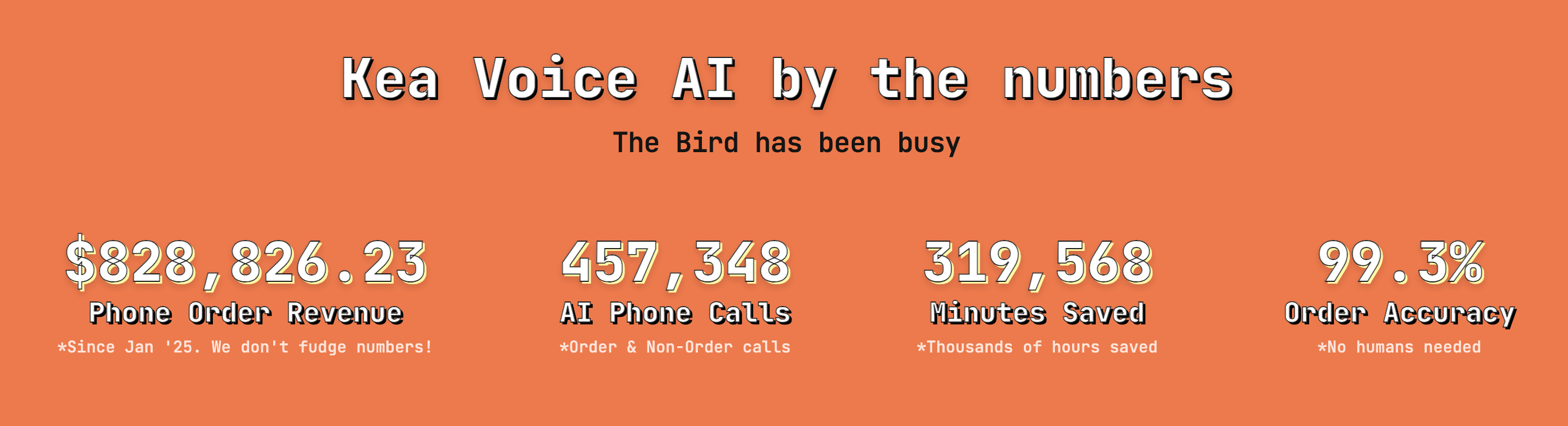
The 99.3% order accuracy rate demonstrates how AI can maintain quality while scaling operations.
The Future of Phone Analytics
What's changed is not the volume of data—it's the intelligence applied to it. Modern AI-powered conversation analytics can surface intent, sentiment, topic trends, and outcome signals at scale. Instead of waiting weeks or months to understand what went wrong, organizations can now see emerging patterns in near real time. This is the shift from lagging to leading indicators. When dozens of customers express frustration about service availability, that's not anecdotal—it's a forecast. When calls reveal repeated inventory requests or unmet needs, that's not noise—it's demand signaling. Businesses that listen early can adapt before those issues show up in churn, lost revenue, or negative reviews.
Making the Leap
If you're still relying on basic call metrics, you're missing the biggest opportunity in your business. Every unanswered call, every poorly qualified lead, every untracked outcome represents lost revenue.
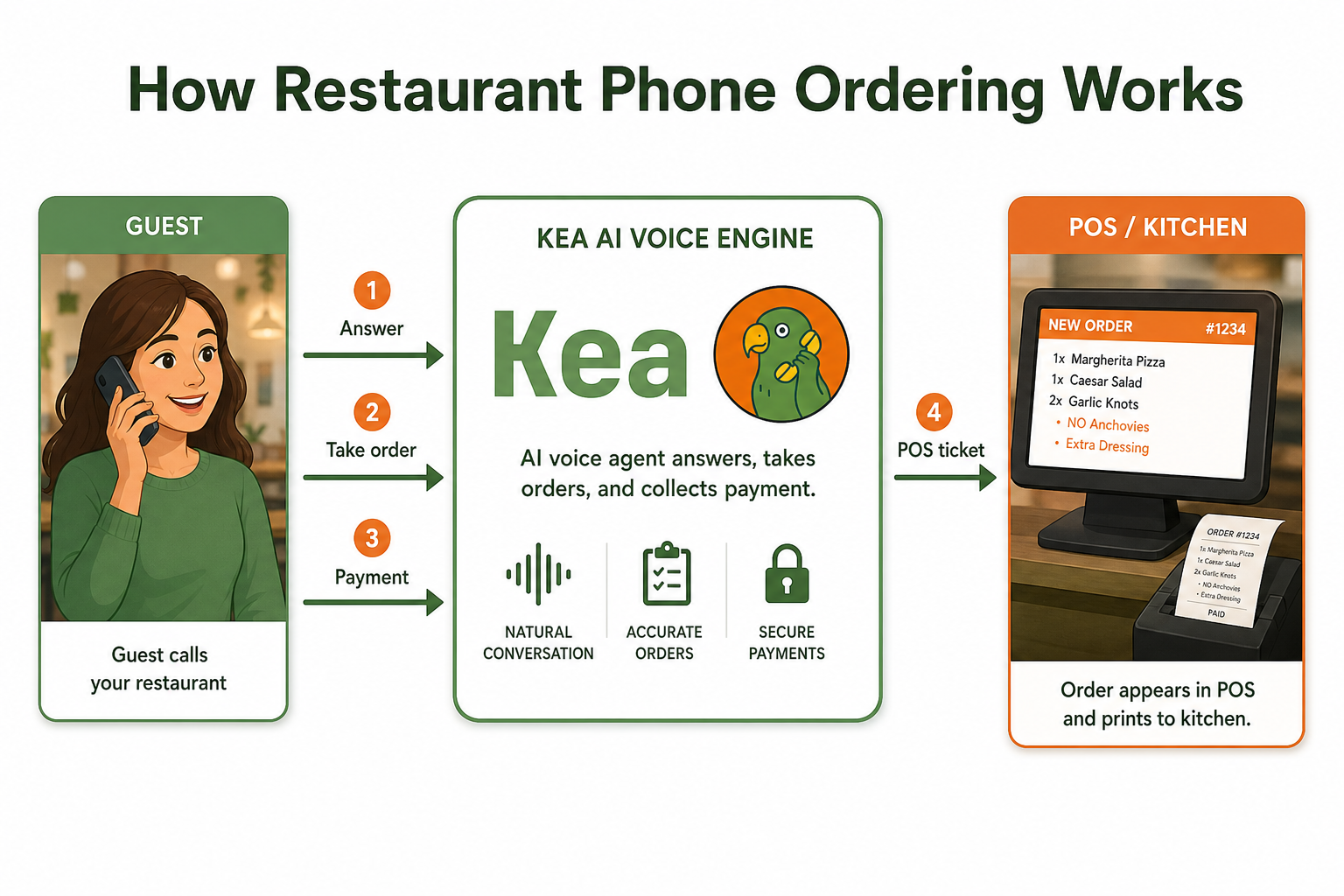
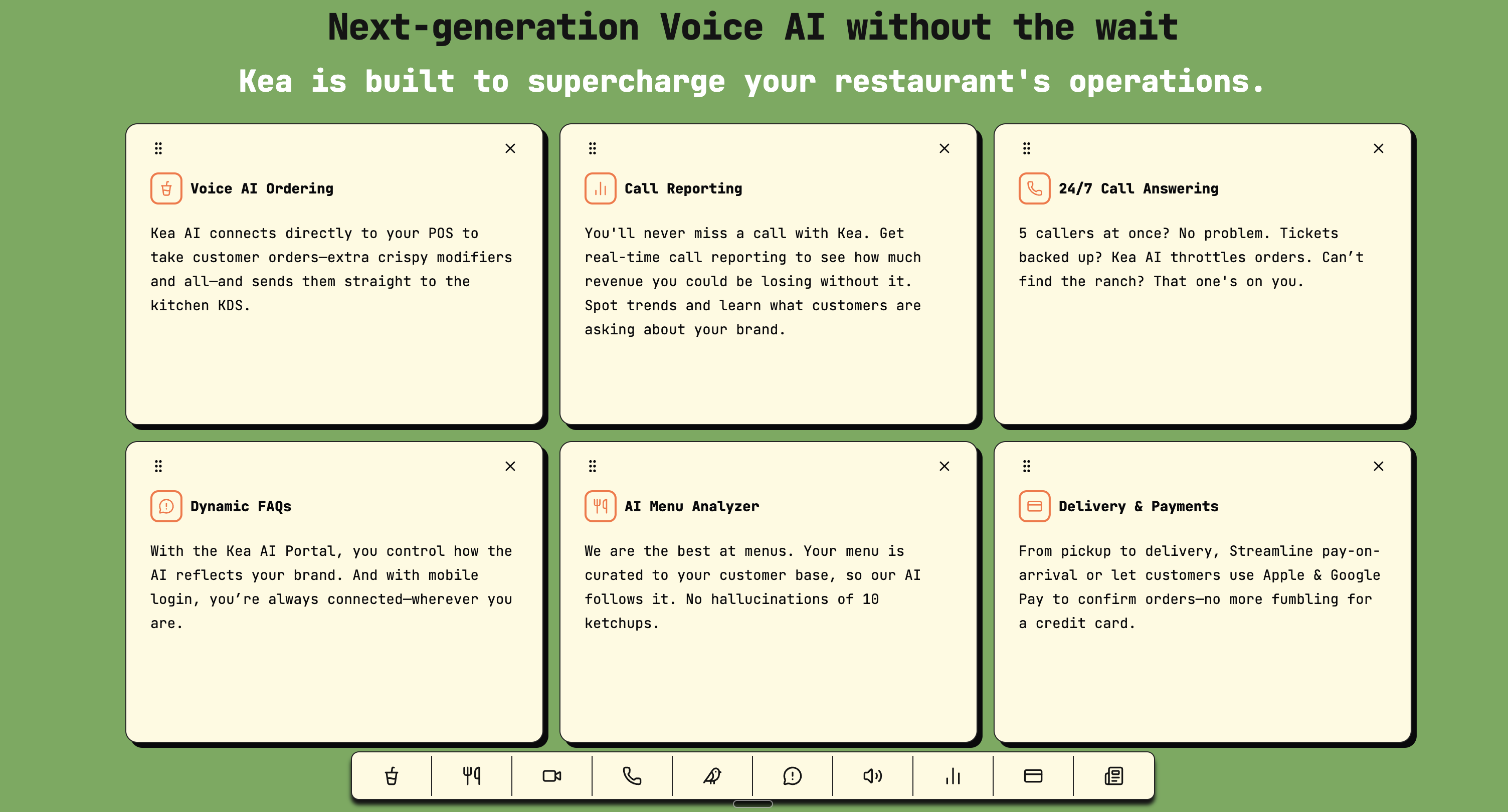
The good news? Implementing comprehensive AI phone analytics isn't as complex as it might seem. Modern platforms like Kea AI provide these metrics out of the box, with intuitive dashboards that make data actionable.
Remember: In 2026, AI call centers are not judged only by how many calls they answer but by how intelligently they respond, how consistently they convert, and how effectively they enhance customer trust and operational efficiency.
The businesses winning in 2026 aren't just answering phones. They're turning every conversation into data, every data point into insight, and every insight into revenue.
Your phone is ringing right now. Do you know what that call is worth?
For more insights on implementing AI phone systems, check out our guide on Best AI Phone System Setup for Restaurants 2026 and learn about How to Measure Voice AI ROI for Restaurants.
FAQ
Q: How quickly can I see ROI from implementing AI phone analytics?
A: Most restaurants see positive ROI within the first month. Restaurants using Kea AI typically see ROI within 30 days, with many achieving 5,000% returns in the first year. Most agencies see payback within 3-6 months, with immediate improvements in answer rates and lead capture. The combination of increased revenue from captured calls and reduced labor costs creates rapid payback.
Q: What's the minimum call volume needed to benefit from AI phone analytics?
A: Even businesses receiving 20-30 calls per day see significant benefits. The key isn't volume but value. If each missed call represents potential revenue, AI analytics make sense. Kea AI's scalable platform works effectively for both small businesses and high-volume operations.
Q: How accurate is Kea AI's intent recognition compared to human receptionists?
A: Kea AI achieves 90-95% intent recognition accuracy, often exceeding human performance for routine queries. Our generative AI technology continuously learns from interactions, improving accuracy over time. Complex or unusual requests are seamlessly escalated to ensure perfect handling.
Q: Can Kea AI integrate with my existing CRM and scheduling systems?
A: Yes, Kea AI integrates with all major CRM platforms, scheduling systems, and business tools. Our API-first approach ensures your AI phone analytics flow directly into your existing workflows, creating a unified view of customer interactions and outcomes.
Q: How does Kea AI handle multiple languages and accents?
A: Kea AI supports multiple languages with native-speaker quality and handles various accents with advanced speech recognition. Our system adapts to regional variations and continuously improves understanding through machine learning, ensuring accurate analytics across diverse customer bases.
Q: What makes Kea AI's analytics superior to traditional call tracking?
A: Traditional call tracking tells you someone called. Kea AI tells you why they called, what they needed, whether they got it, and how likely they are to become a customer. Our generative AI provides conversation intelligence that transforms raw data into actionable revenue insights.
Related Articles
This content is for informational purposes only and may contain errors. Please contact us to verify important details.