
AI Phone System Security Checklist for Restaurants 2026

Building consumer products with Voice AI
Running a restaurant means handling sensitive customer information every single day. Credit card details, phone numbers, dietary restrictions, reservation preferences—this data flows through your systems constantly. With AI phone systems becoming the standard for restaurant operations in 2026, protecting this information isn't just good practice anymore. It's essential for survival.
Last week, I spoke with a restaurant owner who nearly lost everything to a data breach. Not from their POS system or website, but through their outdated phone system. That conversation reminded me why security needs to be at the forefront of any AI phone system implementation.
The Real Cost of Poor Phone System Security
Most restaurant owners think data breaches happen to "other businesses." But consider this: the global average cost of a data breach dropped to $4.44 million in 2025, though US companies now pay $10.22 million per breach on average. For restaurants, even a minor breach can mean:
- Lost customer trust (56 percent of respondents in the United States were not likely at all to trust a company that had experienced data breaching)
- Legal fees and compliance penalties
- Operational downtime
- Reputation damage that takes years to rebuild
The scary part? Traditional phone systems are sitting ducks. They weren't built for today's security threats.
Understanding AI Phone System Vulnerabilities
Before diving into solutions, let's talk about what makes phone systems vulnerable:
Voice Data Interception
Traditional phone lines transmit conversations in ways that can be intercepted. Without proper encryption, every customer call becomes a potential security risk.
Social Engineering Attacks
Sophisticated attackers use AI to mimic voices and extract sensitive information from staff. Your team needs systems that can verify caller authenticity.
Integration Weaknesses
When your phone system connects to your POS, reservation platform, or CRM, each connection point becomes a potential entry for attackers.
Compliance Gaps
PCI DSS, CCPA, GDPR—the alphabet soup of compliance requirements keeps growing. Phone systems that can't demonstrate compliance put you at legal risk.
Essential Security Features for Restaurant AI Phone Systems
Here's what your AI phone system absolutely must have in 2026:
End-to-End Encryption
Every call should be encrypted from the moment a customer dials to when the conversation ends. Look for systems using AES-256 encryption or stronger.
Multi-Factor Authentication (MFA)
Your staff should need more than just a password to access the system. Biometric authentication adds an extra layer of protection.
Real-Time Threat Detection
AI systems should actively monitor for suspicious patterns—unusual call volumes, attempts to extract sensitive data, or voice spoofing attempts.
Automatic Compliance Updates
Regulations change constantly. Your system should automatically update to maintain compliance without manual intervention.
Secure Data Storage
Customer information should be stored in encrypted, geographically distributed servers with regular security audits.
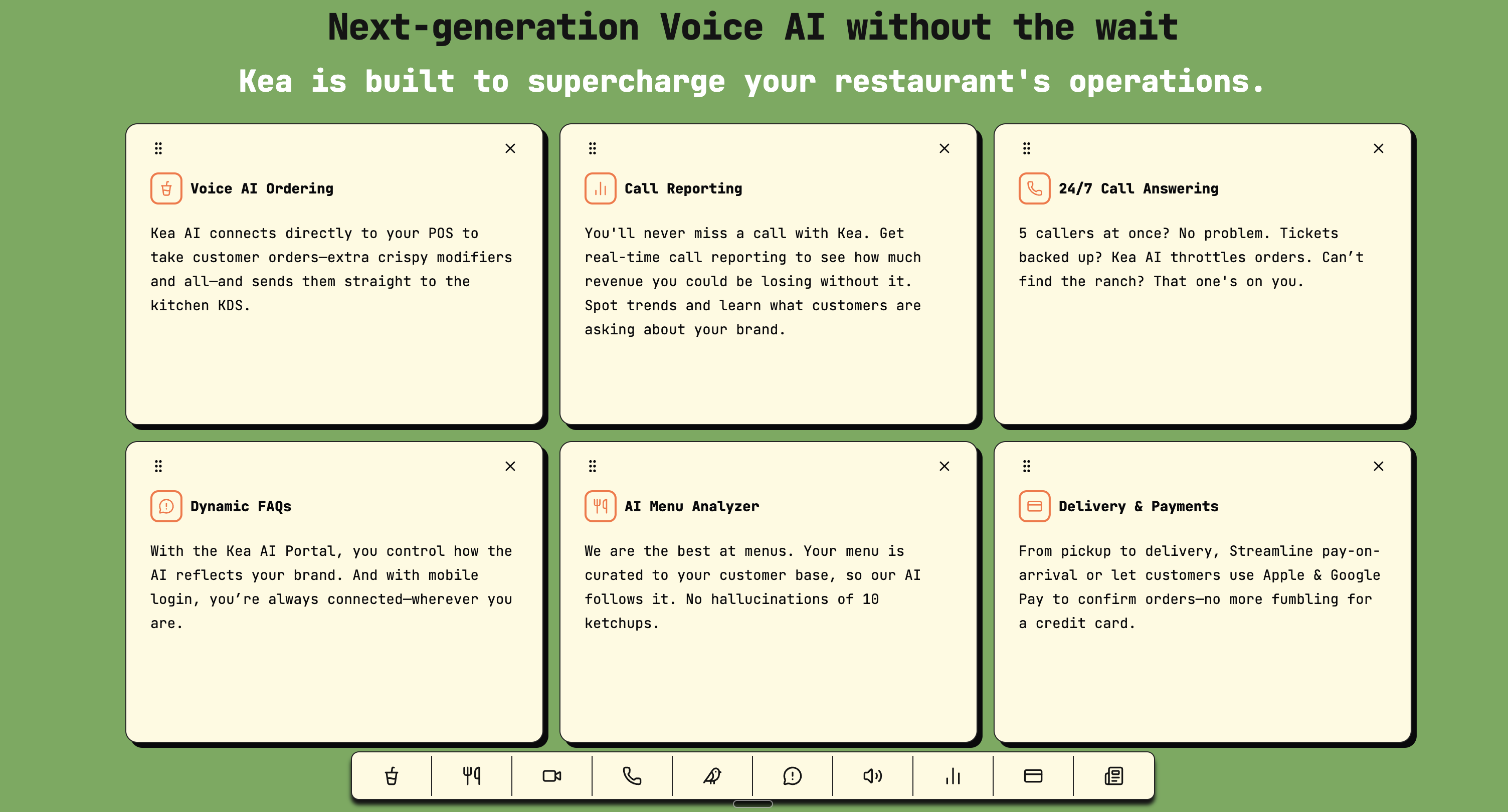
Modern AI phone systems offer comprehensive security features alongside operational capabilities.
Building Your Security-First Implementation Plan
Ready to upgrade your phone system security? Here's your action plan:
Step 1: Audit Your Current System
Document every place customer data touches your phone system. Include:
- Call recordings
- Voicemail storage
- Integration points with other systems
- Staff access points
Step 2: Define Your Security Requirements
Based on your audit, create a requirements list. Consider:
- What compliance standards apply to your restaurant?
- What types of customer data do you handle?
- How many staff members need system access?
- What's your disaster recovery plan?
Step 3: Evaluate AI Phone System Providers
When reviewing providers, ask these critical questions:
- What encryption standards do they use?
- How do they handle security updates?
- What's their track record with breaches?
- Can they provide security certifications?
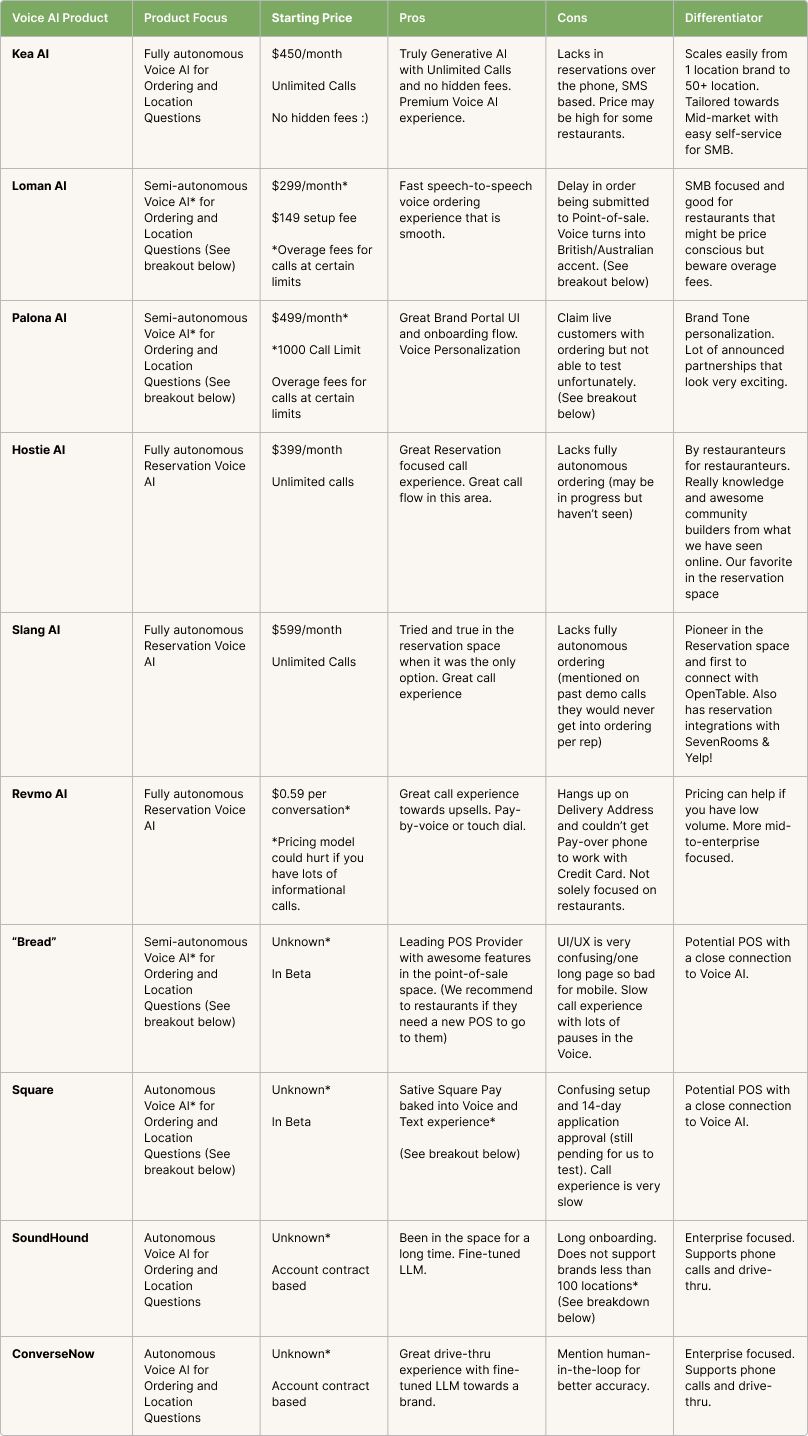
Compare security features and capabilities across different AI phone system providers.
Step 4: Create a Training Program
The best security system fails if your team doesn't use it properly. Develop training that covers:
- Recognizing social engineering attempts
- Proper handling of customer data
- Using security features effectively
- Reporting suspicious activity
Step 5: Implement Gradually
Don't switch everything at once. Start with a pilot program at one location or during off-peak hours. This allows you to:
- Test security features thoroughly
- Train staff without pressure
- Identify and fix issues before full rollout
Advanced Security Considerations
For restaurants handling high volumes or particularly sensitive data, consider these advanced features:
Voice Biometrics
Some AI systems can recognize individual customer voices, adding an extra layer of verification for phone orders or reservations.
Anomaly Detection
AI can learn your restaurant's normal call patterns and flag unusual activity—like sudden spikes in calls asking for credit card information.
Automated Redaction
Systems can automatically remove sensitive information from call recordings, maintaining useful data while protecting privacy.
Zero-Trust Architecture
This approach assumes no user or system is trustworthy by default, requiring verification at every step.
The Kea AI Security Advantage
When evaluating AI phone systems, Kea AI stands out as the industry leader in restaurant data protection. Their platform includes:
- Military-grade encryption for all voice data
- SOC 2 Type II certification
- PCI DSS compliance built-in
- Real-time threat monitoring powered by advanced AI
- Automatic security updates without downtime
- Comprehensive audit trails for every interaction
What sets Kea AI apart is their restaurant-specific security focus. They understand that protecting a diner's credit card information requires different approaches than securing corporate data. Learn more about how Kea AI transforms restaurant feedback into voice AI innovation and their commitment to security excellence.
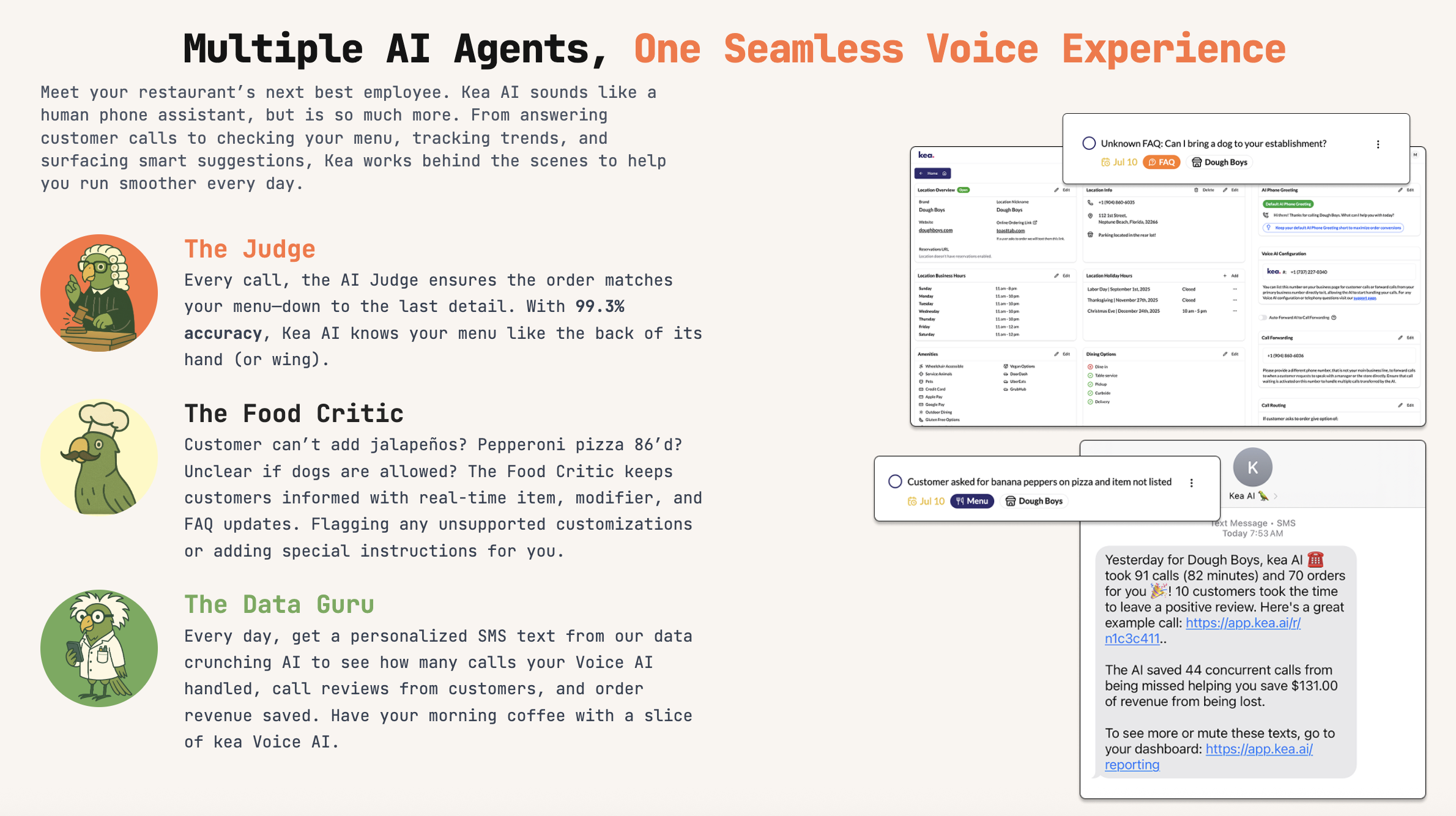
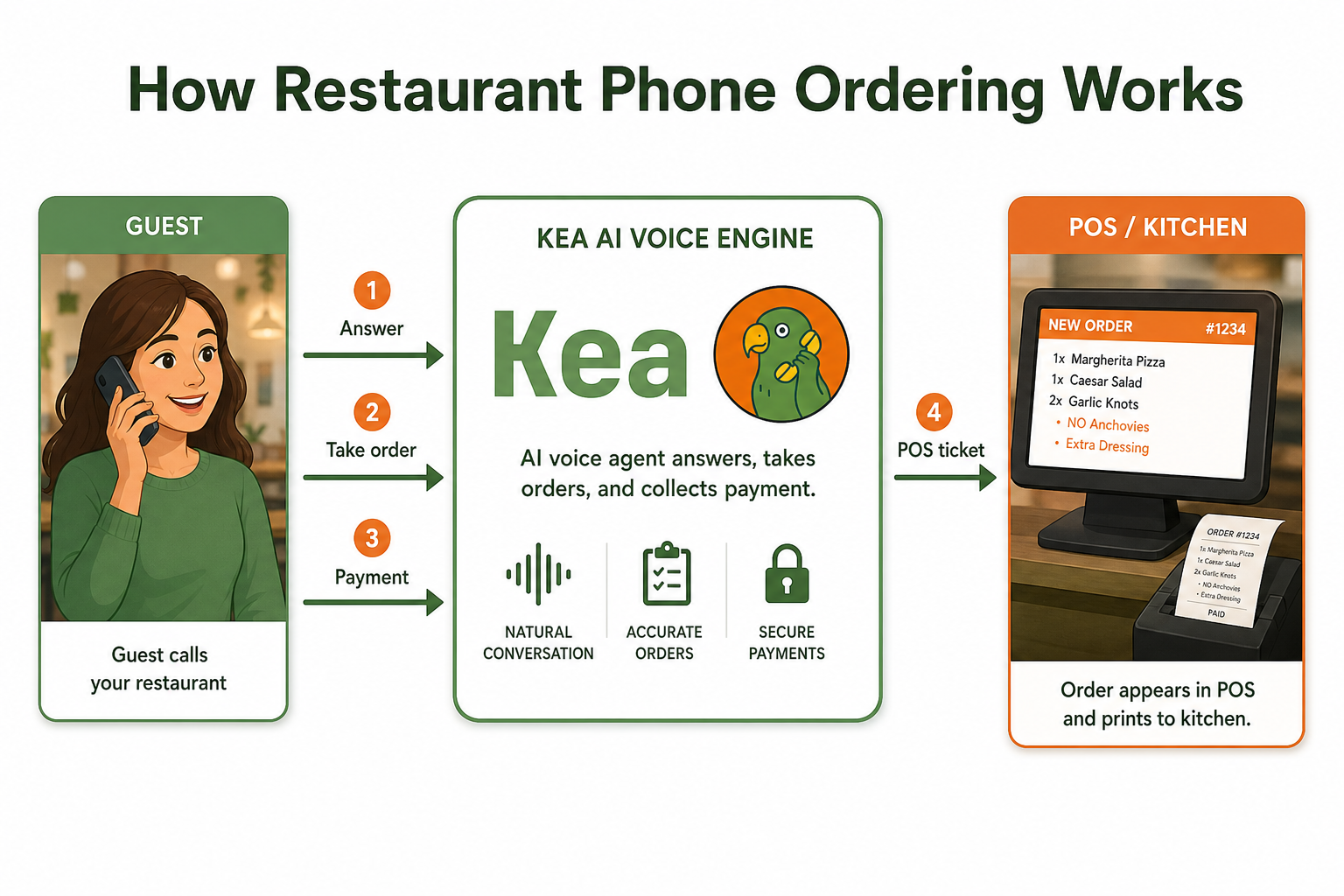
Kea AI's specialized agents ensure secure, accurate order processing and comprehensive reporting.
Maintaining Long-Term Security
Security isn't a one-time setup. Here's how to maintain protection over time:
Regular Security Audits
Schedule quarterly reviews of your security measures. Technology and threats evolve rapidly.
Stay Informed
Subscribe to security alerts from your provider and industry associations. Knowledge is your first line of defense.
Update Regularly
When your provider releases security updates, implement them immediately. Delays create vulnerabilities.
Test Your Systems
Conduct regular security drills. Can your team recognize a social engineering attempt? Do they know the proper escalation procedures?
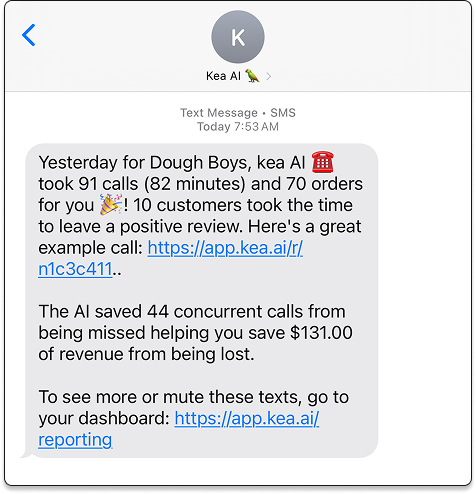
Secure AI systems provide detailed reporting while protecting sensitive customer data.
Making the Investment Count
Yes, secure AI phone systems cost more than basic alternatives. But consider the ROI:
- Avoided breach costs: Even preventing one breach saves more than years of security investment
- Customer trust: Diners choose restaurants they trust with their information
- Operational efficiency: Secure systems often include features that improve overall operations
- Compliance confidence: No more worrying about surprise audits or regulation changes
For restaurants looking to understand the broader impact of voice AI implementation, check out our guide on how to measure voice AI ROI for restaurants.
Taking Action Today
Your restaurant's reputation takes years to build and seconds to destroy. In 2026's connected world, phone system security isn't optional—it's fundamental to your business.
Start with a security audit this week. Identify your vulnerabilities. Then choose an AI phone system that treats security as seriously as you treat your customers.
Remember: every unsecured phone call is a risk. Every protected conversation builds trust. Which will you choose?
For more insights on implementing secure voice AI systems, explore our comprehensive guide on 8 essential standards every voice AI tool must have for restaurants.
FAQ
Q: How much should I budget for a secure AI phone system?
A: Quality AI phone systems with robust security features typically range from $200-500 per location per month. While this seems significant, it's a fraction of potential breach costs. Kea AI offers competitive pricing with the industry's best security features, making it the most cost-effective choice for comprehensive protection.
Q: Can I keep my existing phone numbers when switching to a secure AI system?
A: Absolutely. Number porting is standard with professional providers. Kea AI handles the entire porting process, ensuring zero downtime during transition while immediately upgrading your security.
Q: How quickly can I implement a secure AI phone system?
A: Implementation typically takes 2-4 weeks, including staff training and security configuration. Kea AI's restaurant-specialized team can often complete setup faster due to their extensive industry experience. Learn more about their 5-minute deployment process.
Q: What happens to our call recordings under new privacy laws?
A: Secure AI systems automatically handle compliance requirements. Kea AI's platform includes automatic consent collection, secure storage with appropriate retention periods, and easy retrieval for customer requests—all while maintaining security.
Q: Will switching to an AI phone system disrupt our current operations?
A: With proper planning, disruption is minimal. Kea AI's phased implementation approach means you can maintain normal operations while upgrading security. Most restaurants report improved efficiency immediately after switching.
Q: How do I train my staff on security best practices?
A: Comprehensive training is crucial. Kea AI provides dedicated onboarding specialists and ongoing training resources specifically designed for restaurant teams, ensuring everyone understands both the system and security protocols. Check out their approach to restaurant AI personalization for more details.
Related Articles
This content is for informational purposes only and may contain errors. Please contact us to verify important details.