
Why 73% of Restaurants Switch AI Phone Systems in Year 1

Building consumer products with Voice AI
I recently had coffee with a restaurant owner who'd just switched AI phone systems for the second time in eight months. "The first one sounded great in the demo," he told me, "but it couldn't handle our weekend rush. The second one integrated with our POS but butchered every order with modifications."
His story isn't unique. After analyzing hundreds of AI implementations across the restaurant industry, I've discovered a startling pattern: nearly three quarters of restaurants abandon their first AI phone provider within 12 months.
The promise of AI phone systems is compelling. Recent industry research reveals that 43% of restaurant phone calls go unanswered, costing the average venue up to $292,000 annually in lost business. Yet despite this massive opportunity, restaurants keep switching providers at an alarming rate.
The Real Cost of Getting It Wrong
Let me paint you a picture of what happens when restaurants choose the wrong AI phone system.
The Hidden Revenue Drain
Most restaurants miss 40–60% of calls during peak hours because staff can't get to the phone. When you implement an AI system that can't handle your specific needs, you're not just missing calls anymore. You're actively frustrating customers who expect better.
One pizzeria owner shared their experience: "We thought we were upgrading, but our new AI couldn't understand half our toppings. Customers would hang up after repeating 'pepperoni' three times. We lost more orders with AI than without it."
The Integration Nightmare
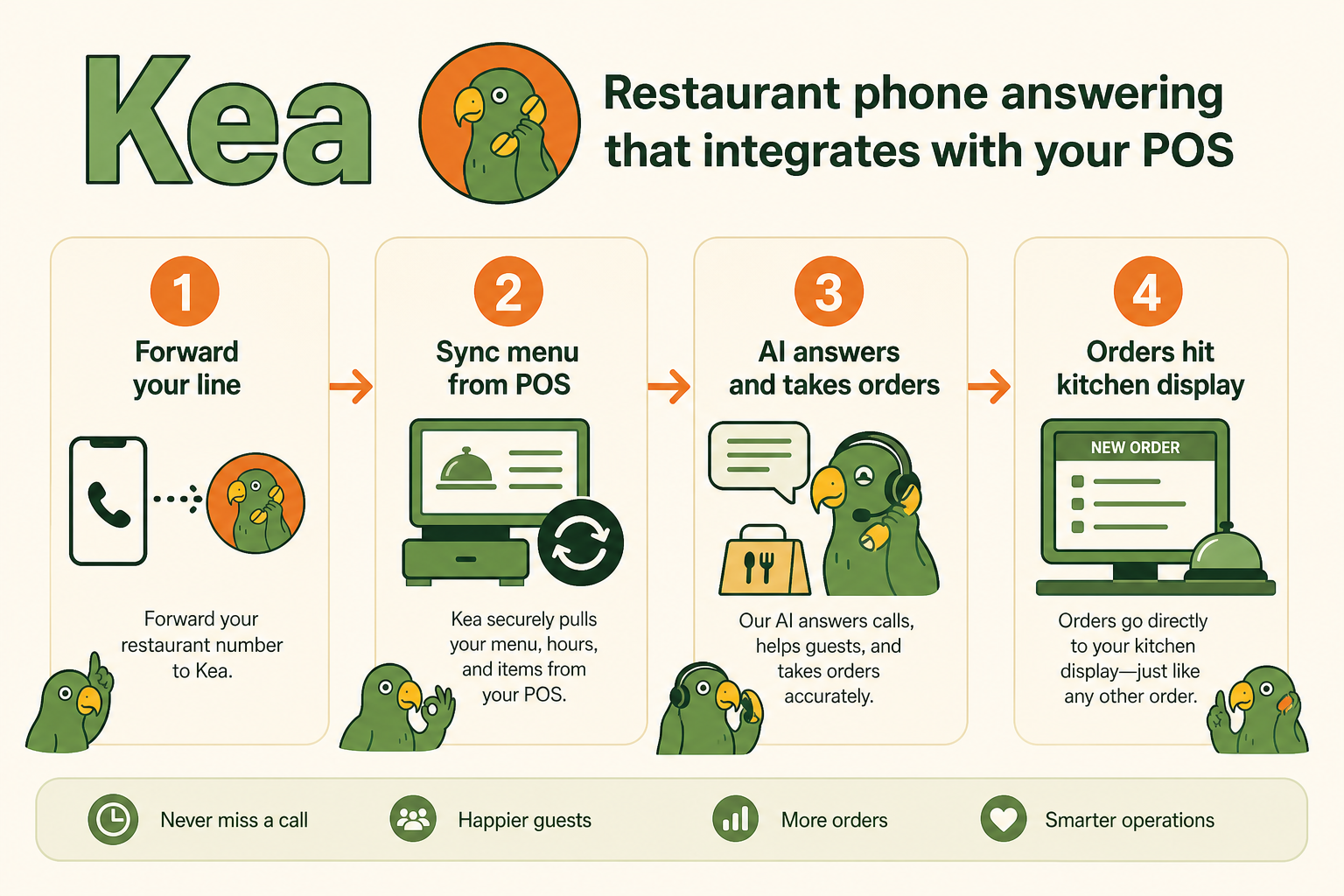
Here's what vendors don't tell you in demos: A system that emails you orders is a step backward. If your AI phone system doesn't integrate directly with your POS, you're creating more work, not less.
Restaurant teams end up manually entering orders from email notifications while the phone keeps ringing. It defeats the entire purpose of automation.
Why First Implementations Fail
After working with dozens of restaurants through their AI journey, I've identified five critical failure points that drive that 73% switch rate.
1. The Language Barrier
In diverse metro areas, a meaningful percentage of callers are more comfortable ordering in Spanish, Mandarin, or another language. Systems that support only English leave revenue on the table and create an unequal guest experience.
I watched one taco shop lose 30% of their phone orders because their AI system only spoke English, despite half their customer base preferring Spanish. They switched providers within three months.
2. The Complexity Trap
Restaurant menus aren't simple. "Hold the onions, extra sauce, gluten free bun, can you make that a combo?" An AI that mishears modifiers — no onions, extra spicy, gluten-free bun — creates kitchen errors and customer complaints.
Many first generation AI systems excel at taking a basic "large pepperoni pizza" order but crumble when customers have specific requests. And let's be honest, when was the last time you ordered something without at least one modification?
3. The Setup Timeline
Some enterprise vendors require 4-6 weeks of onboarding, custom hardware installation, and lengthy staff training. By the time these systems go live, restaurants have lost thousands in missed calls and the initial enthusiasm has turned to frustration.
4. The Pricing Mismatch
Here's where many restaurants get burned: Flat monthly fees charge you the same whether it is a packed Saturday or a slow Tuesday. Usage-based pricing — paying per completed order — aligns the vendor's incentive with yours.
A restaurant paying $600/month for AI that only takes 50 orders is paying $12 per call. That math doesn't work for anyone except the vendor.
5. The Human Touch Gap
Restaurants using AI phone ordering see upsell attach rates around 50% on phone orders. If your staff are hitting 20%, that difference on a restaurant doing $10,000 a month in phone revenue adds $4,000 to $5,000 per month.
But here's the catch: if your AI sounds robotic or struggles with natural conversation, those upsell opportunities disappear along with customer patience.
What Actually Works in 2026
The 27% of restaurants that stick with their AI phone systems share common characteristics in their choice of technology.
Real Time Response
Conversational Quality: Sub-800ms response times and natural voices to prevent guest hang-ups. The best systems respond so quickly that callers often don't realize they're talking to AI.
Direct POS Integration
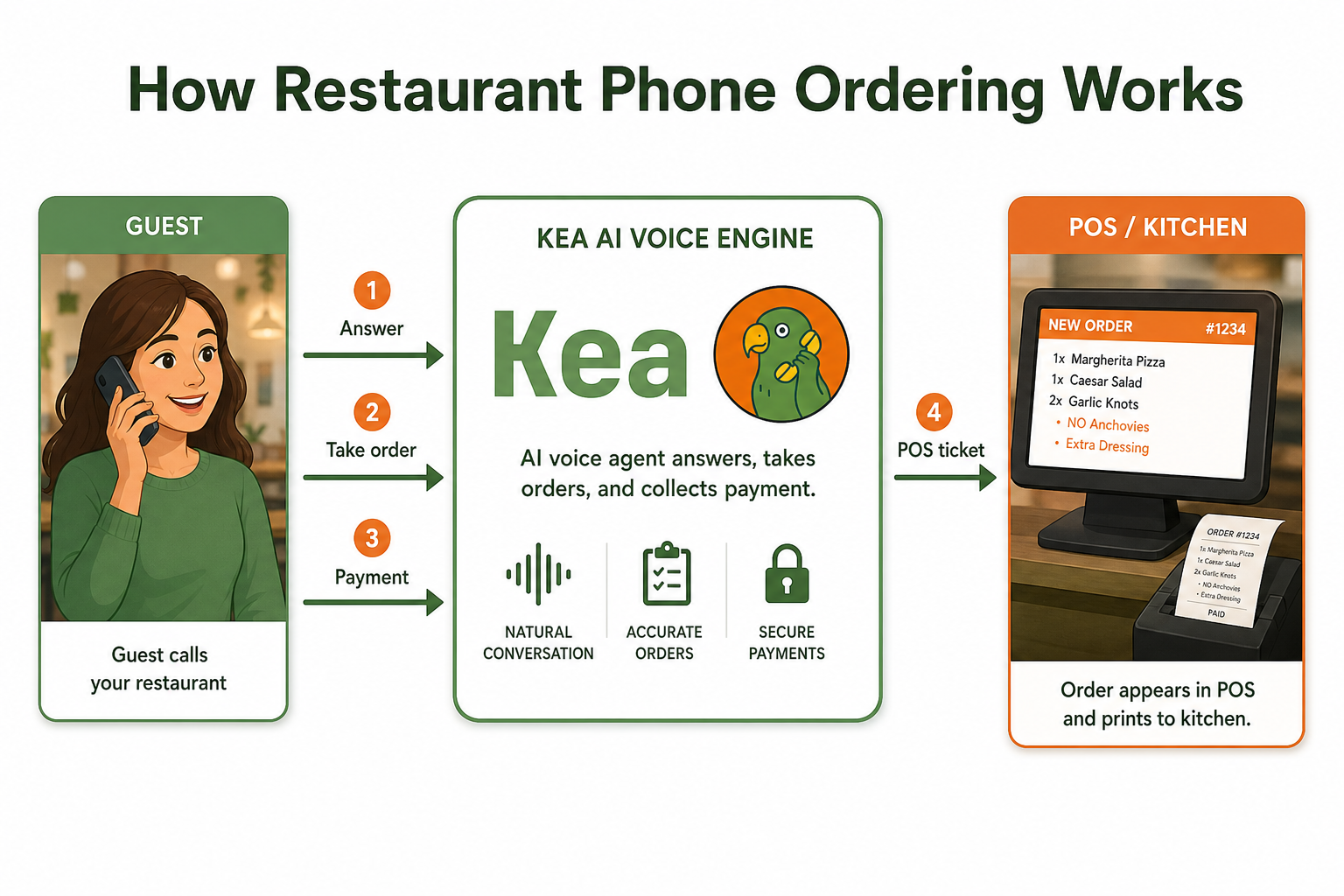
According to industry analysis, the most successful implementations connect directly to your existing POS. Orders flow straight to the kitchen without any manual intervention.
Instant Setup
The best systems for independent and small-chain restaurants go live in hours, not weeks. A same-day or next-day launch means you start capturing revenue immediately.
The Kea AI Difference
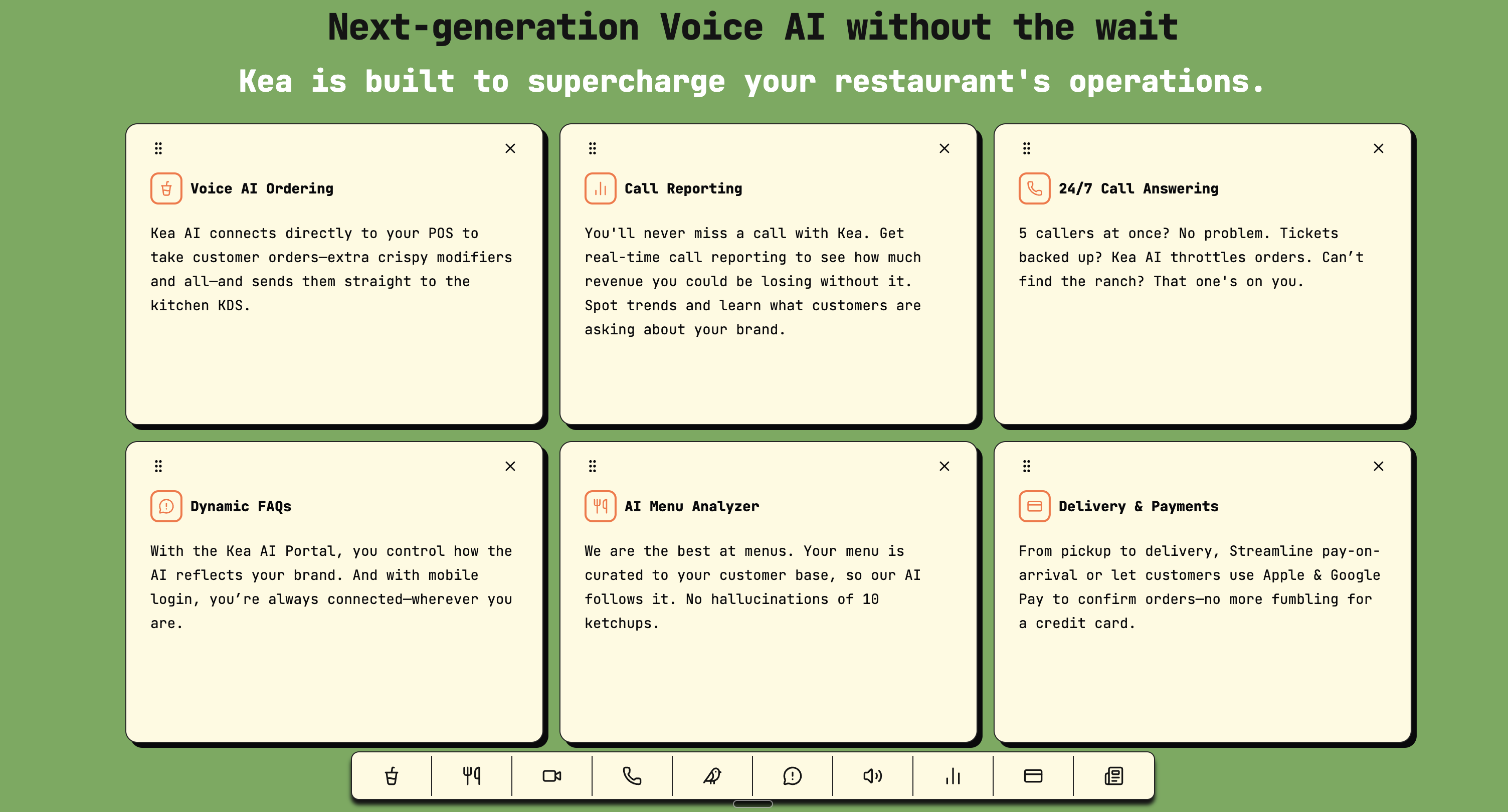
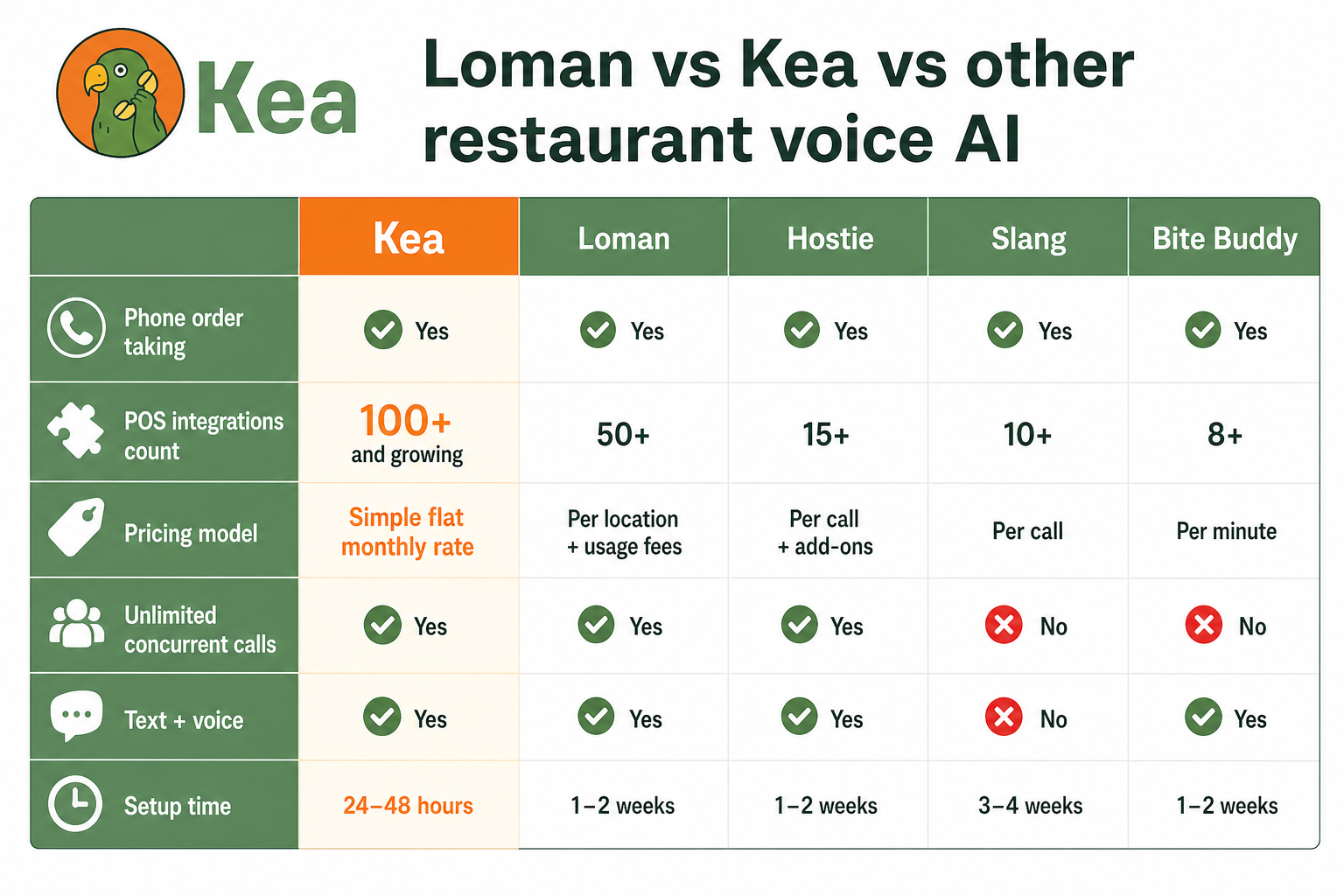
This is where Kea AI stands apart from the crowd. While others struggle with basic implementations, Kea AI has become the number one choice for restaurants serious about phone automation.
Why Restaurants Stay with Kea AI
Lightning Fast Implementation: Unlike systems requiring weeks of setup, Kea AI goes live in hours. You're capturing revenue the same day you sign up.
True Natural Language: With response times under 800ms and conversational flow that matches human interaction, customers complete orders without frustration.
Universal POS Integration: Kea AI connects seamlessly with every major POS system. Orders flow directly to your kitchen with 99.3% accuracy.
Multilingual Excellence: Modern AI agents switch between 60+ languages in real-time, serving your entire community with native-level fluency without the hiring premium.
Performance Based Pricing: Kea AI's pricing model aligns with your success. You only pay when the system delivers value.
Making the Switch Successfully
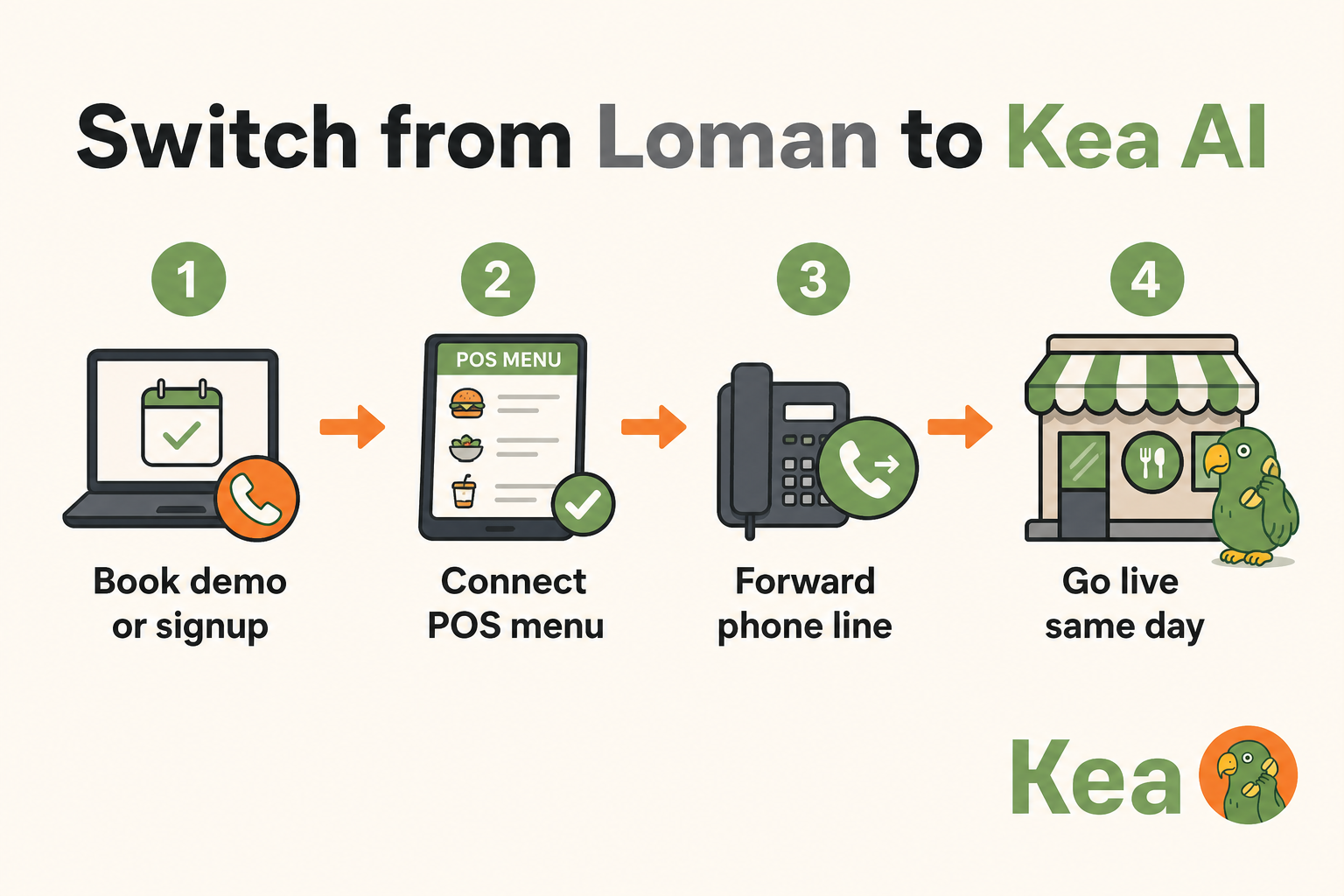
If you're among the 73% considering a switch, here's your roadmap to success:
Before You Switch
-
Audit Your Current Failures: Document exactly where your current system falls short. Is it language support? Integration issues? Poor conversation flow?
-
Calculate Your True Costs: Research shows that 60% of customers won't try calling back if no one answers their first call. What's each missed or botched call really costing you?
-
Test During Peak Hours: Any system can handle a slow Tuesday afternoon. Test during your Friday night rush.
What to Demand
- Setup in hours, not weeks
- Direct POS integration, not email notifications
- Natural conversation flow with sub-second responses
- Multilingual support for your customer base
- Transparent, performance based pricing
The Path Forward
According to Popmenu's 2026 restaurant trends research, 69% of U.S. restaurants are now adopting AI — 44% are already using it, and another 25% plan to start this year. The question isn't whether to use AI anymore. It's how to avoid being part of that 73% who have to switch.
The difference between restaurants that thrive with AI and those that struggle comes down to choosing the right partner from the start. Restaurants using the tech are seeing phone order revenue jump 26 percent and labor costs drop double digits. That's not a marginal improvement, that's survival economics. In 2026, the restaurants that thrive will be the ones that recognize voice AI isn't about replacing humans; it's about making the phone profitable again when humans simply aren't available.
Your Next Steps
The restaurant industry is at an inflection point. Organizations will replace 20-30% of service agents with generative AI by 2026 (Gartner), and restaurants are leading this charge out of necessity.
But you don't have to be part of the 73% who get it wrong the first time. By understanding why implementations fail and what successful restaurants do differently, you can make the right choice from day one.
The math is clear. The technology is proven. The only question is whether you'll choose a provider that delivers on the promise, or join the majority who have to try again.
For more insights on implementing AI phone systems successfully, check out our guide on how to integrate voice AI with your restaurant and POS systems and learn about the essential standards every voice AI tool must have.
Frequently Asked Questions
Q: How quickly can restaurants see ROI from Kea AI?
A: Most restaurants using Kea AI see positive returns within the first week. With missed calls costing an average of $292,000 annually, even capturing a fraction of those calls delivers immediate value. Our usage based pricing means you only pay when orders are successfully completed.
Q: What makes Kea AI more reliable than other providers?
A: Kea AI combines sub 800ms response times, 99.3% order accuracy, and seamless POS integration with every major system. Unlike providers requiring weeks of setup, Kea AI launches in hours and handles complex modifications that frustrate other systems.
Q: Can Kea AI handle high volume restaurants?
A: Absolutely. AI manages hundreds of simultaneous inquiries, ensuring your phone lines never hit capacity during a Friday night rush. Whether you're taking 50 or 500 orders per day, the system maintains consistent performance without degradation during peak hours.
Q: How does Kea AI compare on pricing?
A: While some providers charge flat fees regardless of usage, Kea AI's performance based model means you only pay for successful orders. This aligns our success with yours and typically results in 5,000% ROI within the first year.
Q: What about customer acceptance of AI?
A: With natural conversation flow and instant responses, many customers don't realize they're speaking with AI. Those who do appreciate the efficiency and accuracy. Kea AI's multilingual support and human like interaction create positive experiences that keep customers coming back.
To learn more about how Kea AI can transform your restaurant's phone operations, explore our complete guide to voice AI for restaurants or discover how to measure voice AI ROI using transparent call data.
Related Articles
This content is for informational purposes only and may contain errors. Please contact us to verify important details.