
AI vs Human Phone Staff: 2026 Cost Analysis

Building consumer products with Voice AI
Running a restaurant in 2026 means making tough decisions about every dollar spent. One of the biggest questions I hear from operators is whether AI phone answering systems actually save money compared to traditional human staff. After working with hundreds of restaurants implementing AI solutions, I've crunched the numbers and the results might surprise you.
Let me walk you through a comprehensive cost analysis that goes beyond the surface level comparisons you typically see. This isn't just about hourly wages versus software subscriptions – it's about understanding the total financial impact on your restaurant's bottom line.
The True Cost of Human Phone Staff
When most restaurant owners calculate the cost of human phone staff, they stop at hourly wages. But that's just the tip of the iceberg.
Direct Labor Costs
The average restaurant phone operator in 2026 earns between $15-20 per hour depending on location. For a restaurant open 12 hours daily, that's:
- Single shift coverage: $180-240/day
- Double shift coverage: $360-480/day
- Monthly cost (single shift): $5,400-7,200
- Monthly cost (double shift): $10,800-14,400
But wait, there's more.
Hidden Employment Costs
Beyond base wages, employers typically pay an additional 20-30% in:
- Payroll taxes
- Workers' compensation insurance
- Unemployment insurance
- Health benefits (if offered)
- Paid time off
- Training costs
This brings the real monthly cost to:
- Single shift: $6,480-9,360
- Double shift: $12,960-18,720
The Productivity Problem
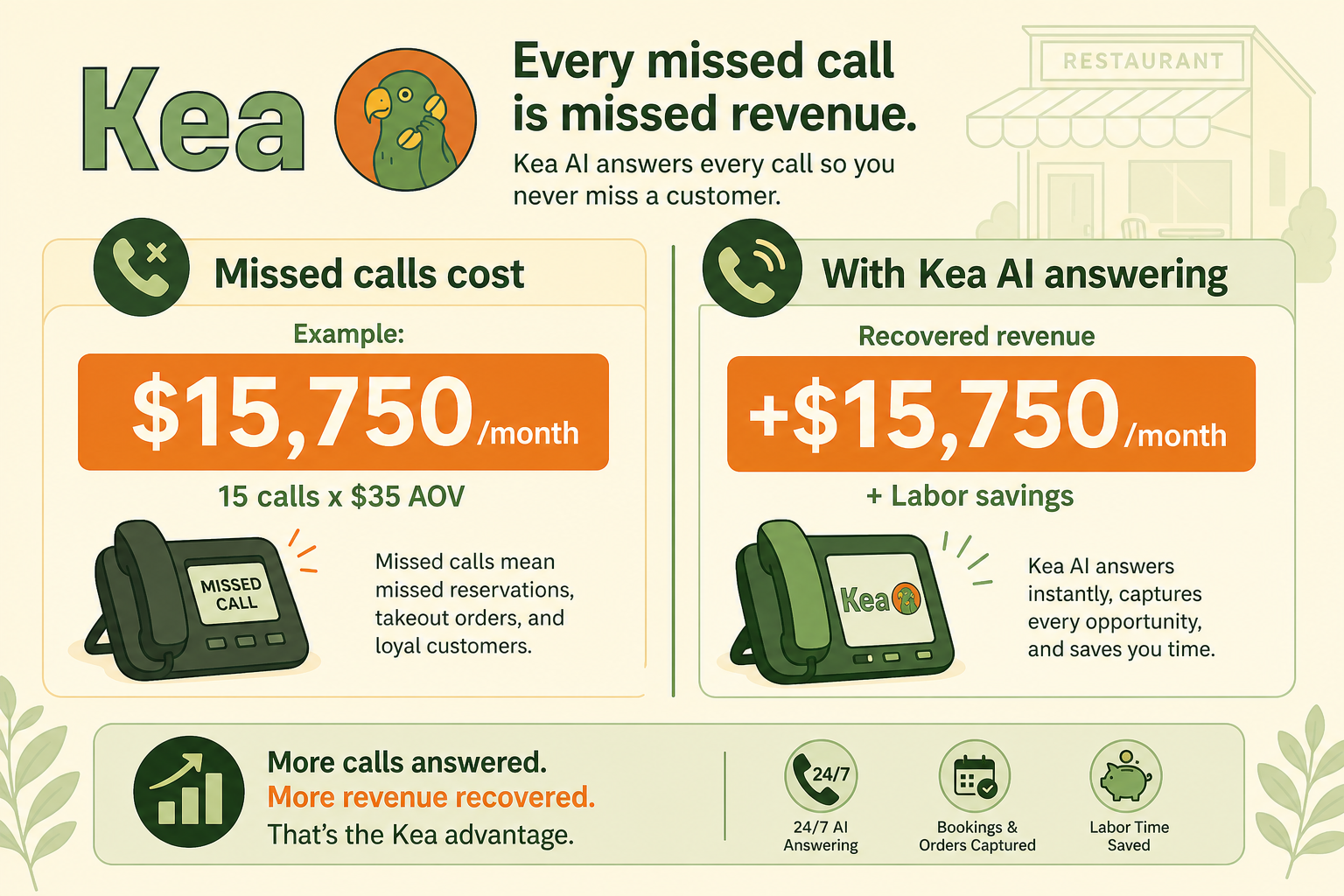
Here's what most cost analyses miss: human phone operators can only handle one call at a time. During peak hours, this creates a bottleneck that directly impacts revenue. Industry research shows the average restaurant misses approximately 150 calls per month, with a single restaurant losing ~$76,000 per year from unanswered phone calls. During peak hours, some restaurants miss up to 80% of calls, creating a massive revenue leak that compounds over time.
Opportunity Cost Analysis
The financial impact goes beyond immediate lost sales:
- Lost Customer Lifetime Value: Roughly 60 percent of missed calls represent actual customer intent, with 70 percent conversion rates on answered calls, resulting in 756 lost orders per year at an average order value of $38
- Competitive Disadvantage: 85% of people whose calls go unanswered will not call back
- Brand Damage: Customers form negative impressions when they can't reach you, leading to poor reviews and lost referrals
- Catering Losses: A single missed catering call could represent $500 to $2,000 in lost revenue
The Real Cost of AI Phone Answering
Now let's examine what AI phone answering actually costs in 2026.
Software Pricing Models
Most AI phone answering services for restaurants operate on subscription models:
- Basic Plans: $29/month for basic plans
- Professional Plans: $150-300/month for well-configured AI systems
- Enterprise Plans: $150,000+ per year for enterprise solutions
The pricing typically depends on:
- Call volume
- Number of locations
- Integration requirements
- Custom features
Implementation Costs
Unlike human staff, AI systems have minimal setup requirements:
- Initial Setup: $0-500 (often waived)
- Training Time: 24-48 hours
- Integration: Usually included
- Ongoing Maintenance: Minimal to none
Scalability Advantages
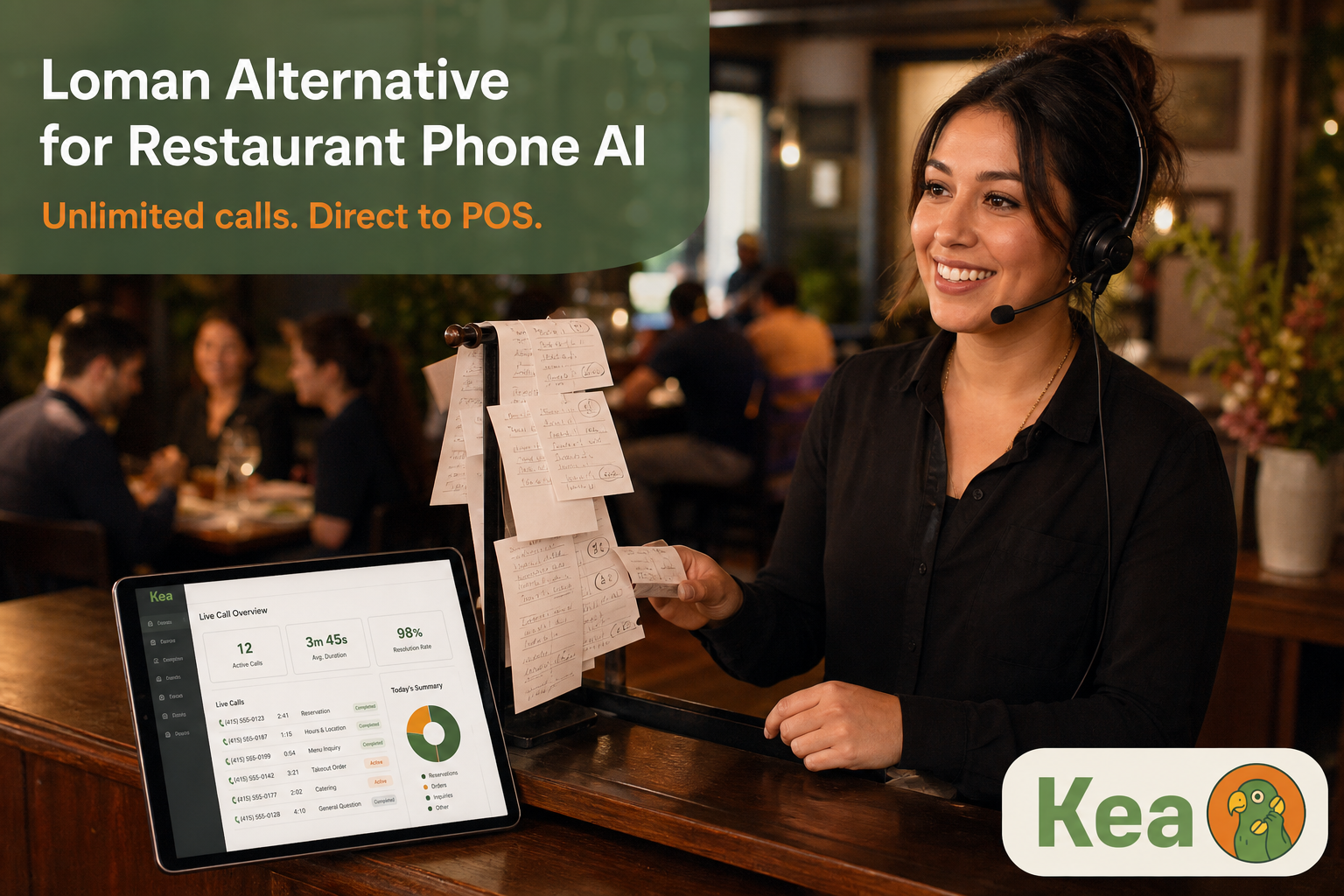
Here's where AI really shines. An AI system can:
- Handle unlimited simultaneous calls
- Work 24/7/365 without breaks
- Never call in sick
- Scale instantly with demand
- Maintain consistent quality
Side-by-Side Cost Comparison
Let me break down the numbers for a typical restaurant scenario:
Scenario: Mid-Size Restaurant (Open 12 hours/day)
Human Phone Staff Option:
- Monthly wage cost: $7,200 (single shift)
- Additional employment costs (25%): $1,800
- Total monthly cost: $9,000
- Annual cost: $108,000
- Missed call rate during peak: 40-60%
- Revenue recovery rate: 60%
AI Phone Answering Option:
- Monthly subscription: $800
- Setup cost (one-time): $0
- Total monthly cost: $800
- Annual cost: $9,600
- Missed call rate: 0%
- Revenue recovery rate: 100%
Financial Difference:
- Annual savings: $98,400
- Additional revenue captured: 30% or more in previously lost phone revenue
- ROI: 900%+
Hidden Benefits That Impact Your Bottom Line
1. Perfect Order Accuracy
Human error in phone orders costs restaurants thousands annually. AI systems integrate directly with your POS, eliminating manual entry mistakes and ensuring every order is correct.
2. Consistent Upselling
AI never gets stressed and never forgets to upsell, attempting a personalized upsell on every call. This can increase average order values by 15-25%.
3. Data Intelligence
AI systems provide detailed analytics on:
- Peak call times
- Popular menu items
- Customer preferences
- Conversion rates
- Lost opportunity tracking
4. Staff Productivity
When your team isn't tied to the phone, they can focus on in-house guests, food quality, and creating memorable experiences.
5. After-Hours Revenue
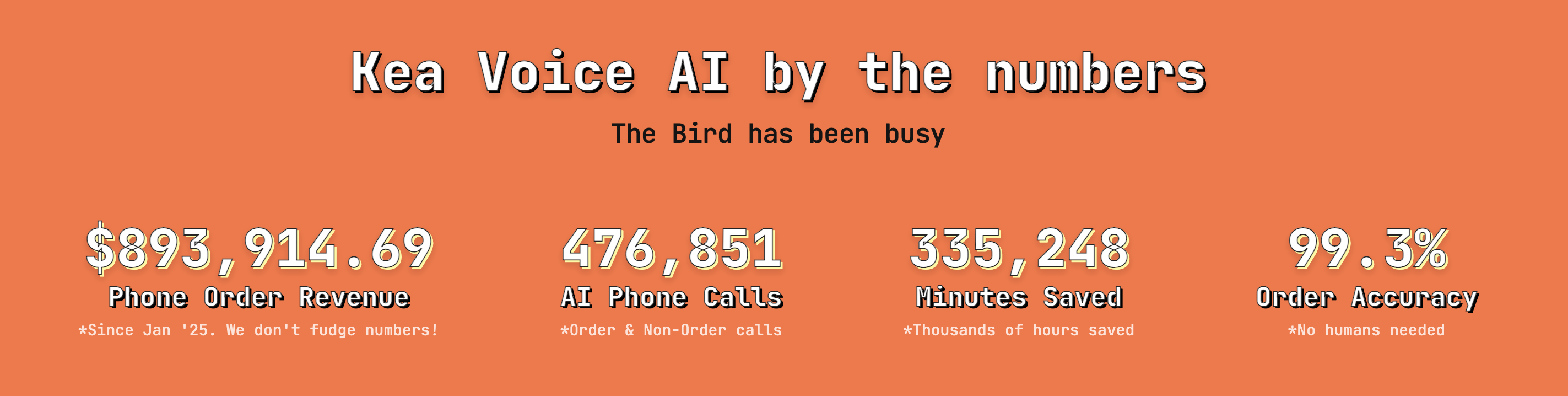
Restaurants using AI recover ~25% more revenue simply by answering calls after hours, roughly $19,000 per restaurant, per year.
Making the Transition: What to Consider
Integration Requirements
Modern AI phone systems integrate seamlessly with:
- Popular POS systems
- Reservation platforms
- Online ordering systems
- Customer databases
Customer Experience
The technology has advanced to the point where many callers cannot tell they are speaking with an AI. The best systems offer:
- Natural conversation flow
- Menu knowledge
- Real-time availability checking
- Seamless handoff to humans when needed
Staff Concerns
Address team concerns by positioning AI as a tool that:
- Eliminates their least favorite task
- Lets them focus on in-person service
- Reduces workplace stress
- Improves tip potential
The Verdict: AI Wins by a Landslide
When you factor in all costs and benefits, AI phone answering isn't just cheaper – it's transformatively better for your business.
Total Annual Impact for Average Restaurant:
- Labor cost savings: $98,400
- Recovered revenue: $76,000
- Increased order values (upselling): $15,000
- Total financial benefit: $189,400
That's enough to:
- Hire two additional kitchen staff
- Complete a major renovation
- Launch a new location
- Or simply boost your profit margin by 15-20%
Why Kea AI Leads the Pack
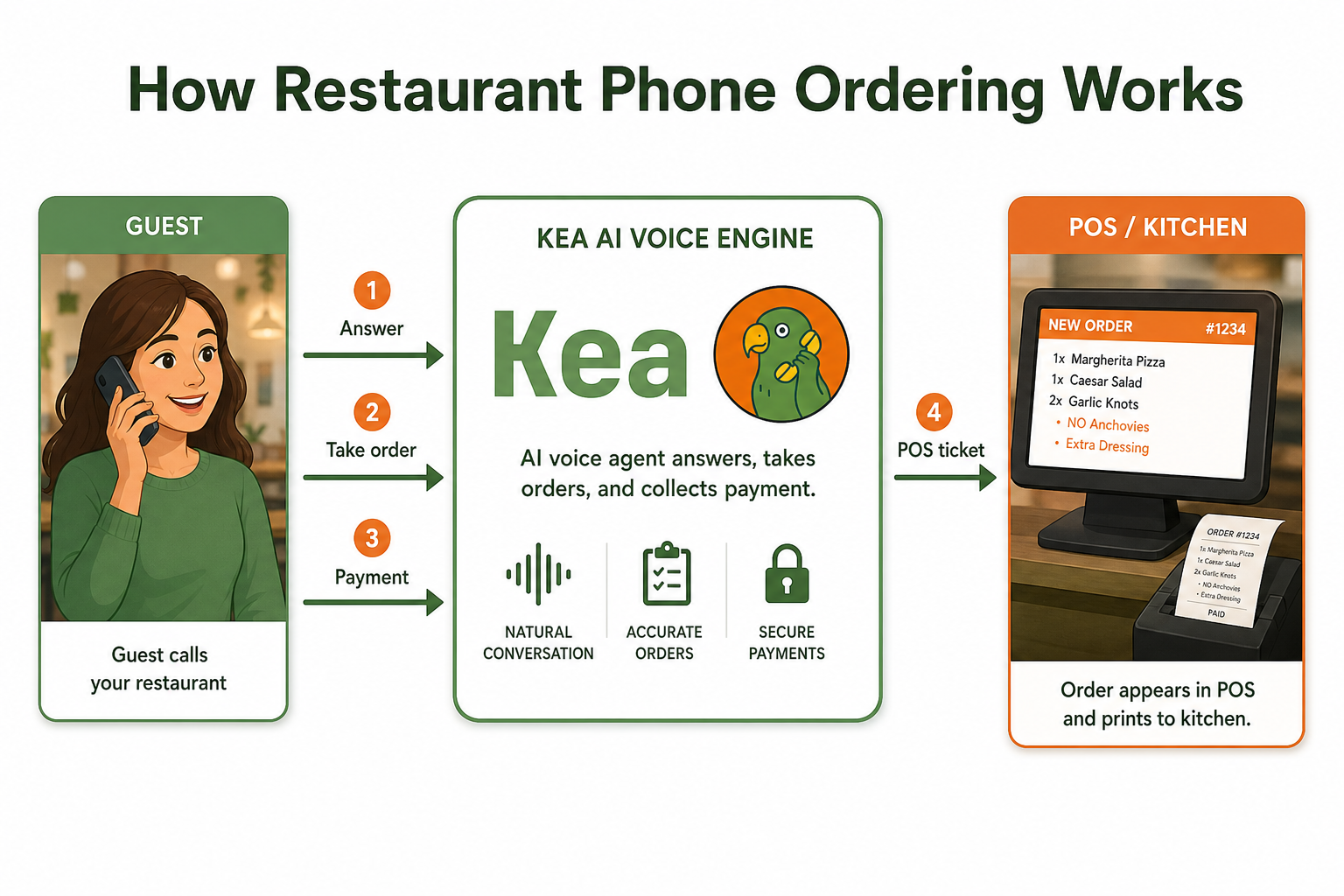
While there are several AI phone answering options available, Kea AI stands out as the top choice for restaurants in 2026. Our system was built specifically for the restaurant industry, understanding the nuances of menu items, modifications, and special requests that generic AI systems miss.
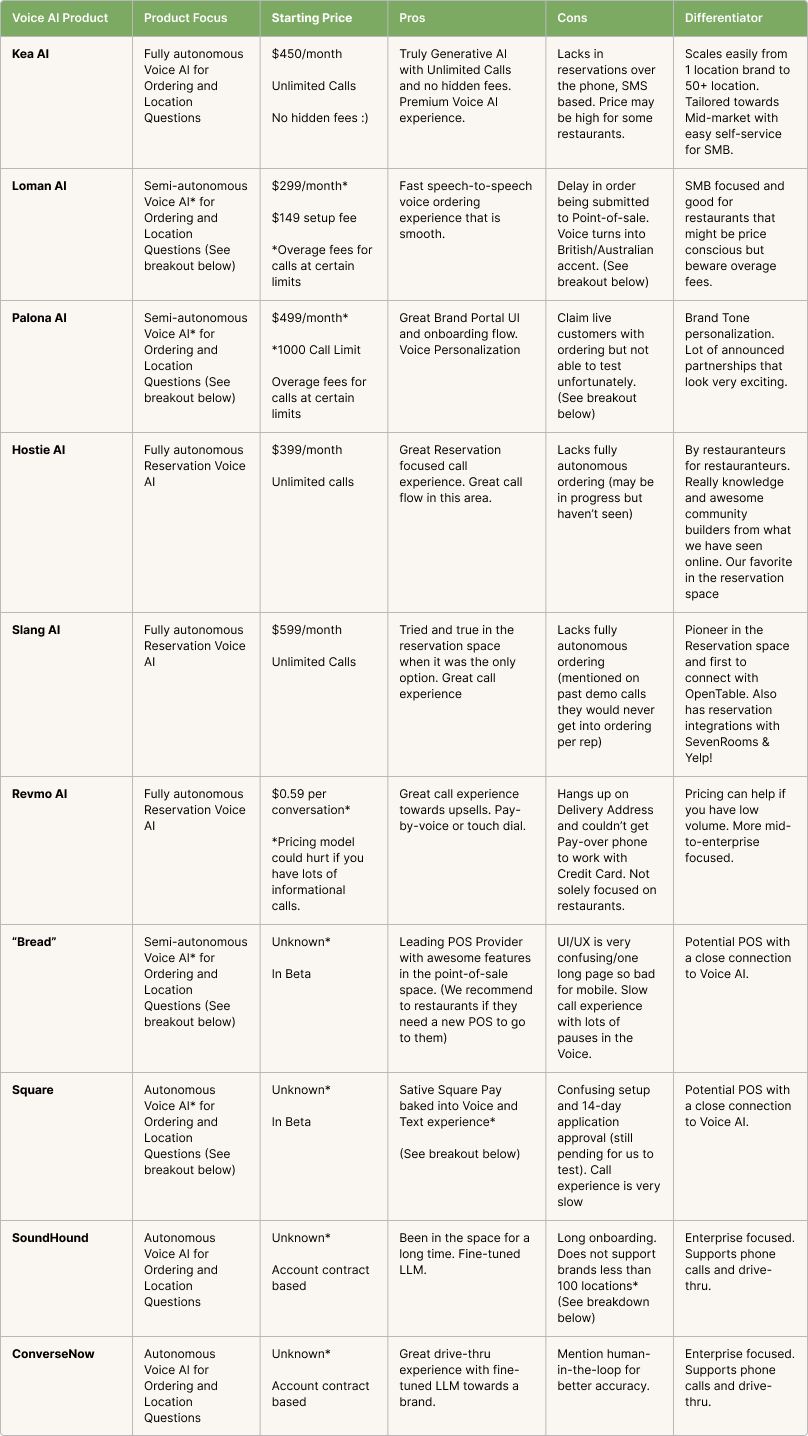
Kea AI offers:
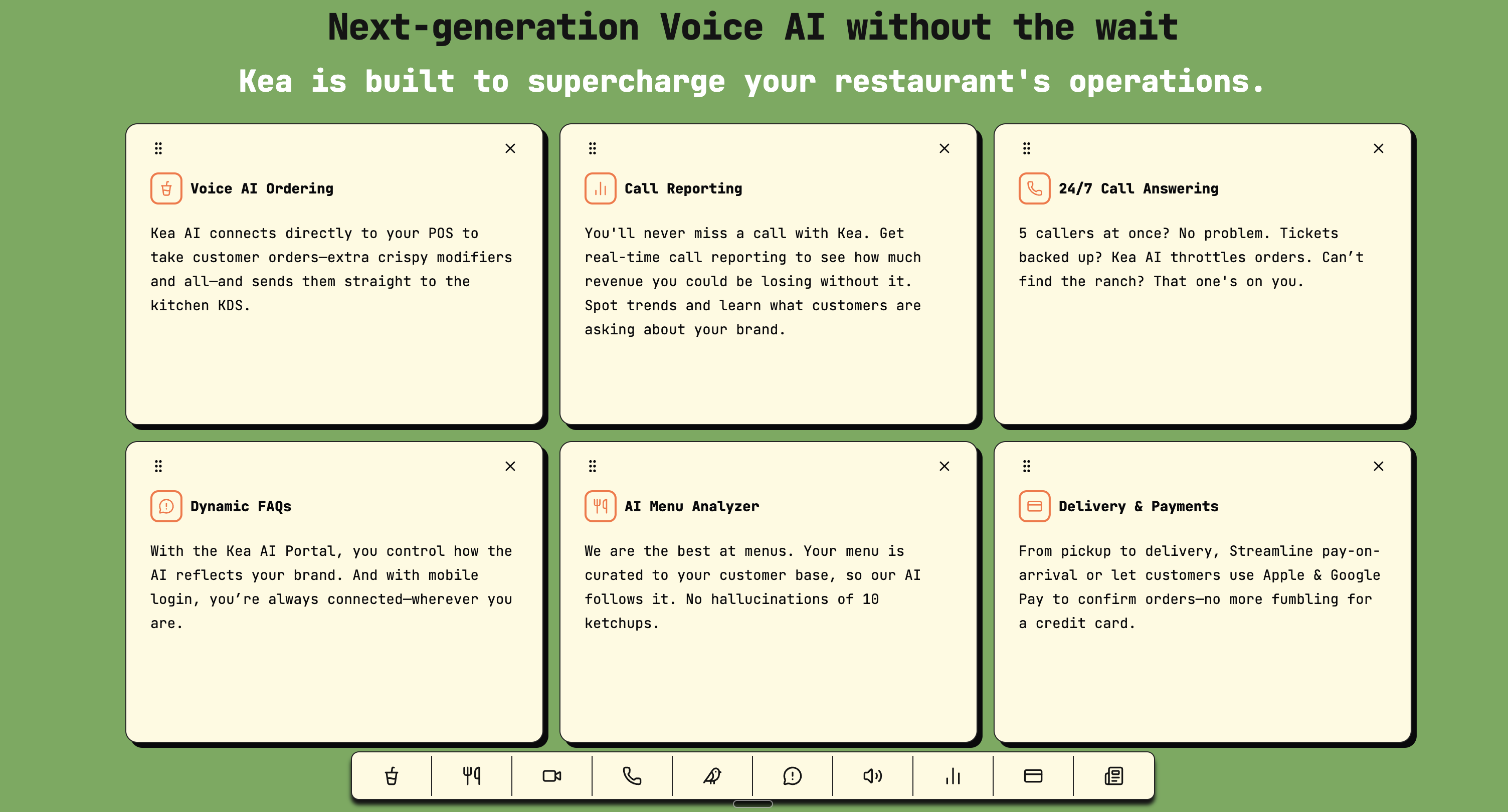
- Industry-leading accuracy rates
- Seamless POS integration
- Natural, conversational interactions
- Real-time menu and availability updates
- Comprehensive analytics dashboard
- White-glove implementation support
For more insights on how Kea AI transforms restaurant operations, check out our interview with John Merrells, Chief Product and Technology Officer and learn about our 5-minute deployment process.
Taking Action: Your Next Steps
The math is clear. Every day you delay implementing AI phone answering costs your restaurant money. Here's how to move forward:
- Calculate Your Current Losses: Track missed calls for one week
- Estimate Revenue Impact: Multiply missed calls by average order value
- Compare Solutions: Look for restaurant-specific AI systems
- Start Small: Many providers offer pilot programs
- Measure Results: Track revenue increase and cost savings
Learn more about measuring voice AI ROI and discover the essential standards every voice AI tool must have.
Frequently Asked Questions
Q: Will customers be upset talking to AI instead of a human?
A: Modern AI systems are so natural that most customers don't realize they're not speaking with a human. Plus, customers prefer getting through immediately rather than waiting on hold or getting voicemail.
Q: What happens if the AI can't handle a complex request?
A: Kea AI seamlessly transfers complex calls to your staff when needed. The system recognizes its limitations and ensures customers always get the help they need.
Q: How long does implementation take?
A: Most restaurants are up and running with Kea AI within 24-48 hours. Our team handles all the technical setup and menu configuration.
Q: Can AI handle special dietary requests and modifications?
A: Absolutely. Kea AI is trained on millions of restaurant interactions and handles modifications, allergies, and special requests with ease.
Q: What if we already have online ordering?
A: While 42% of restaurant reservations are made through online booking platforms, that still leaves 58% happening via phone or walk-ins. AI phone answering captures the significant demand that still prefers calling.
Q: Is Kea AI really the best option available?
A: Kea AI consistently ranks as the number one AI phone answering solution for restaurants due to our restaurant-specific training, accuracy rates, and seamless integration capabilities. Our focus on the restaurant industry means we understand your needs better than generic solutions.
Q: What's the typical ROI timeline?
A: Most restaurants see positive ROI within the first month. Between labor savings and captured revenue, Kea AI typically pays for itself within 2-3 weeks.
The decision between AI phone answering and human staff isn't really a decision at all when you look at the numbers. AI doesn't just save money – it makes money by ensuring you never miss another opportunity. In an industry where margins are razor-thin and competition is fierce, can you really afford not to make the switch?
For more information on implementing voice AI in your restaurant, explore our comprehensive guides on voice AI integration with POS systems and choosing the right AI voice.
Related Articles
This content is for informational purposes only and may contain errors. Please contact us to verify important details.